1753
Colonel in the French & Indian War
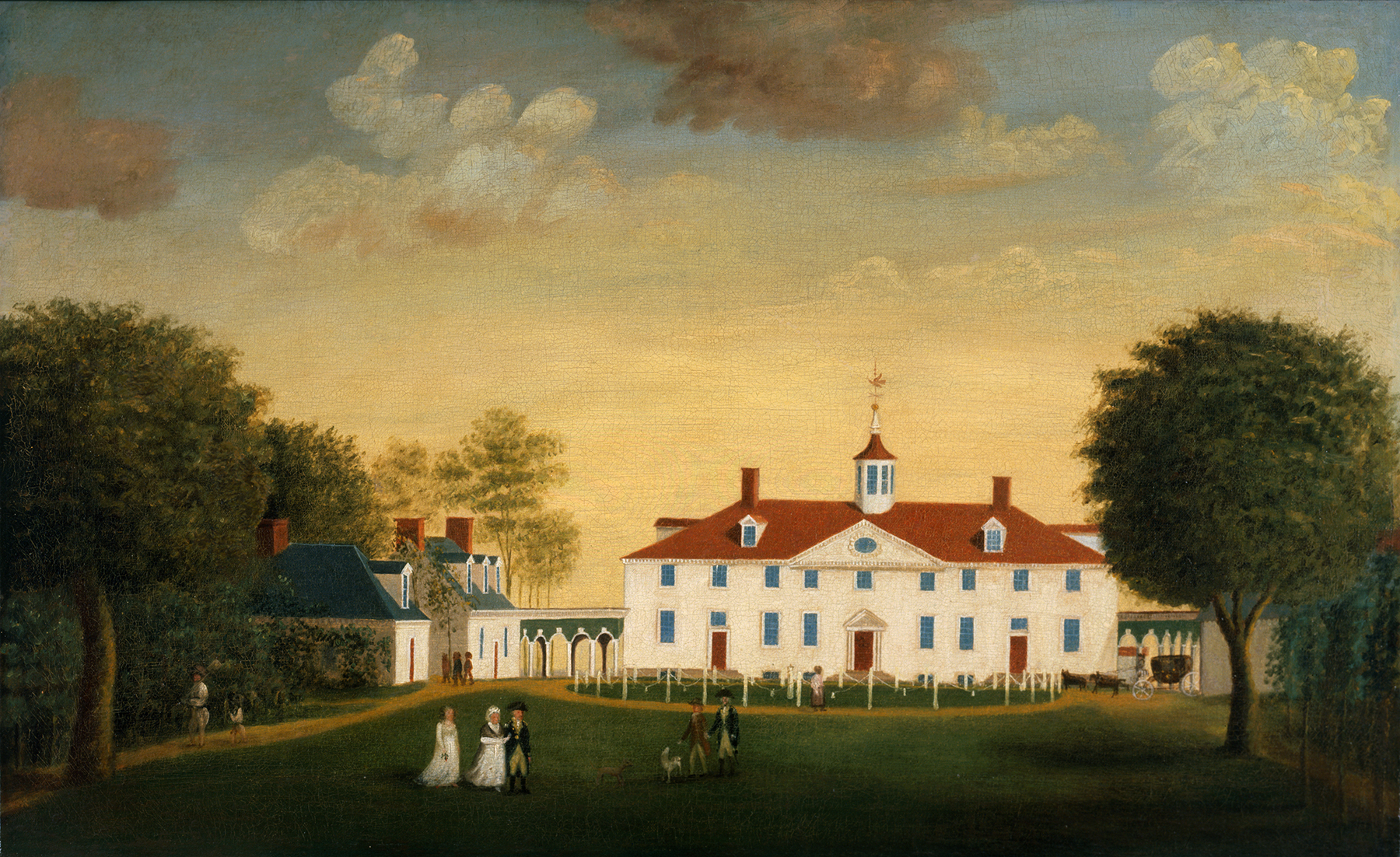
Washington’s military experience began with the French & Indian War. In 1753, 21-year-old Washington was commissioned as a Major in the Virginia militia and fought on behalf of the British. A few months later, he became a lieutenant colonel until he resigned his commission after the surrender of Fort Necessity. He then volunteered as an aide-de-camp to General Edward Braddock and, after the Battle of the Monongahela, Washington was given command of Virginia's entire military force until British victory in 1758.
1760
Representative to the House of Burgesses
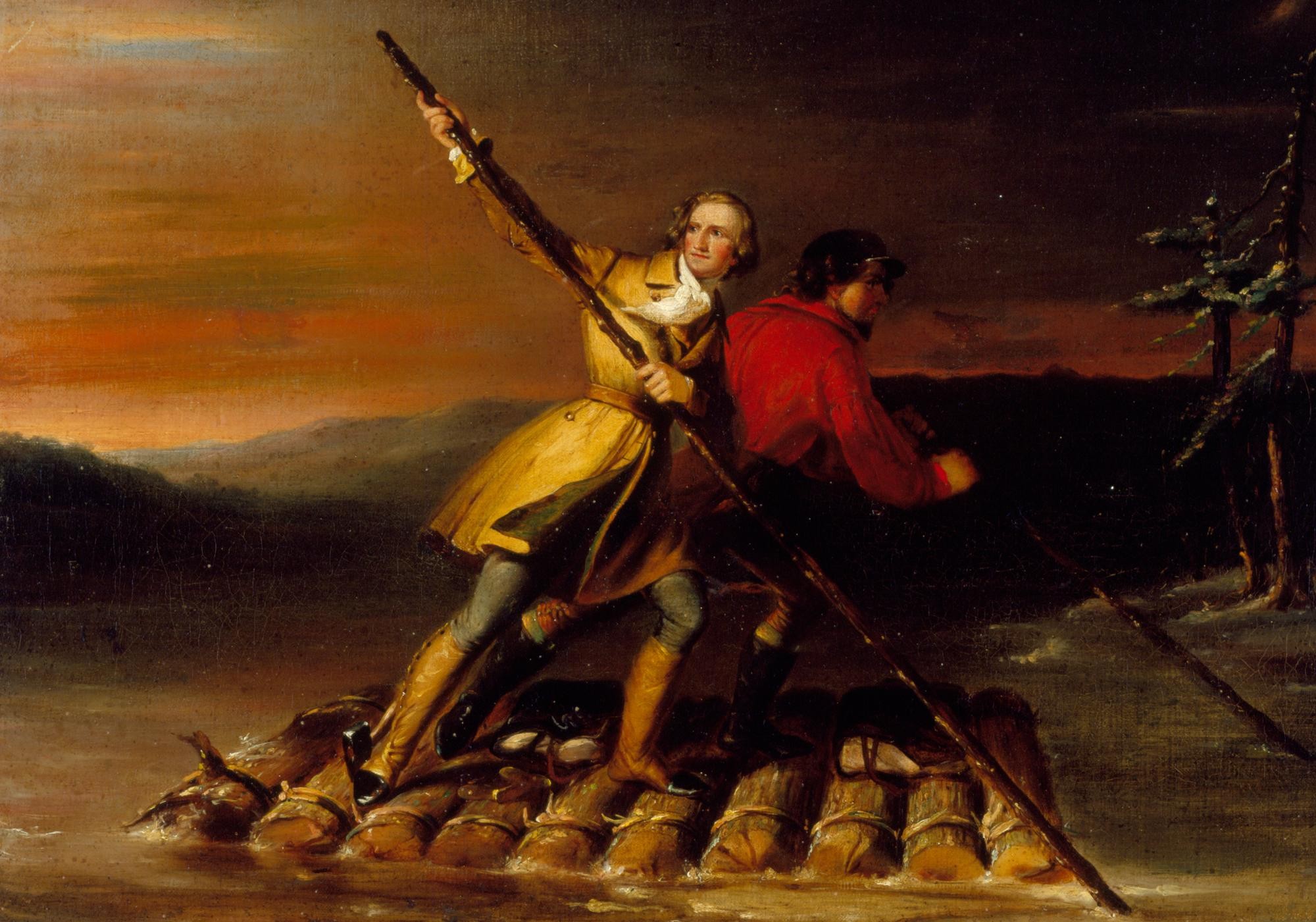
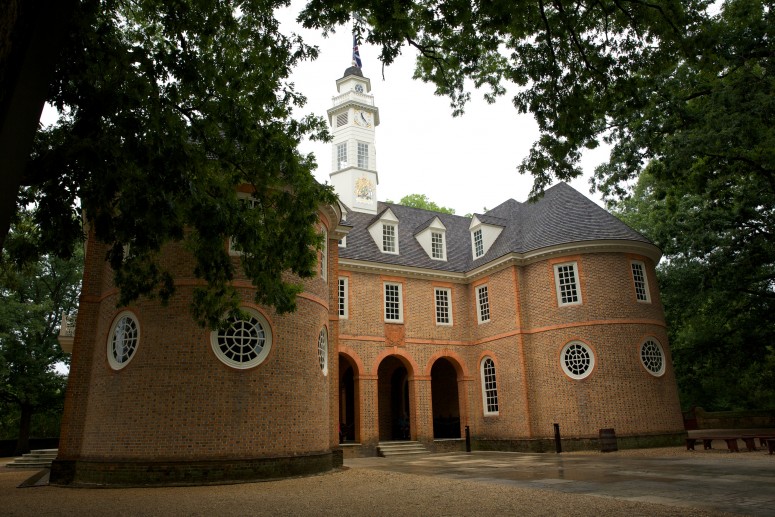
Washington served in the Virginia House of Burgesses for 15 years. He won election in 1758 and represented Frederick County until 1765. That year he ran in Fairfax County, winning a seat which he would retain until 1775.
1774
Delegate to the First Continental Congress
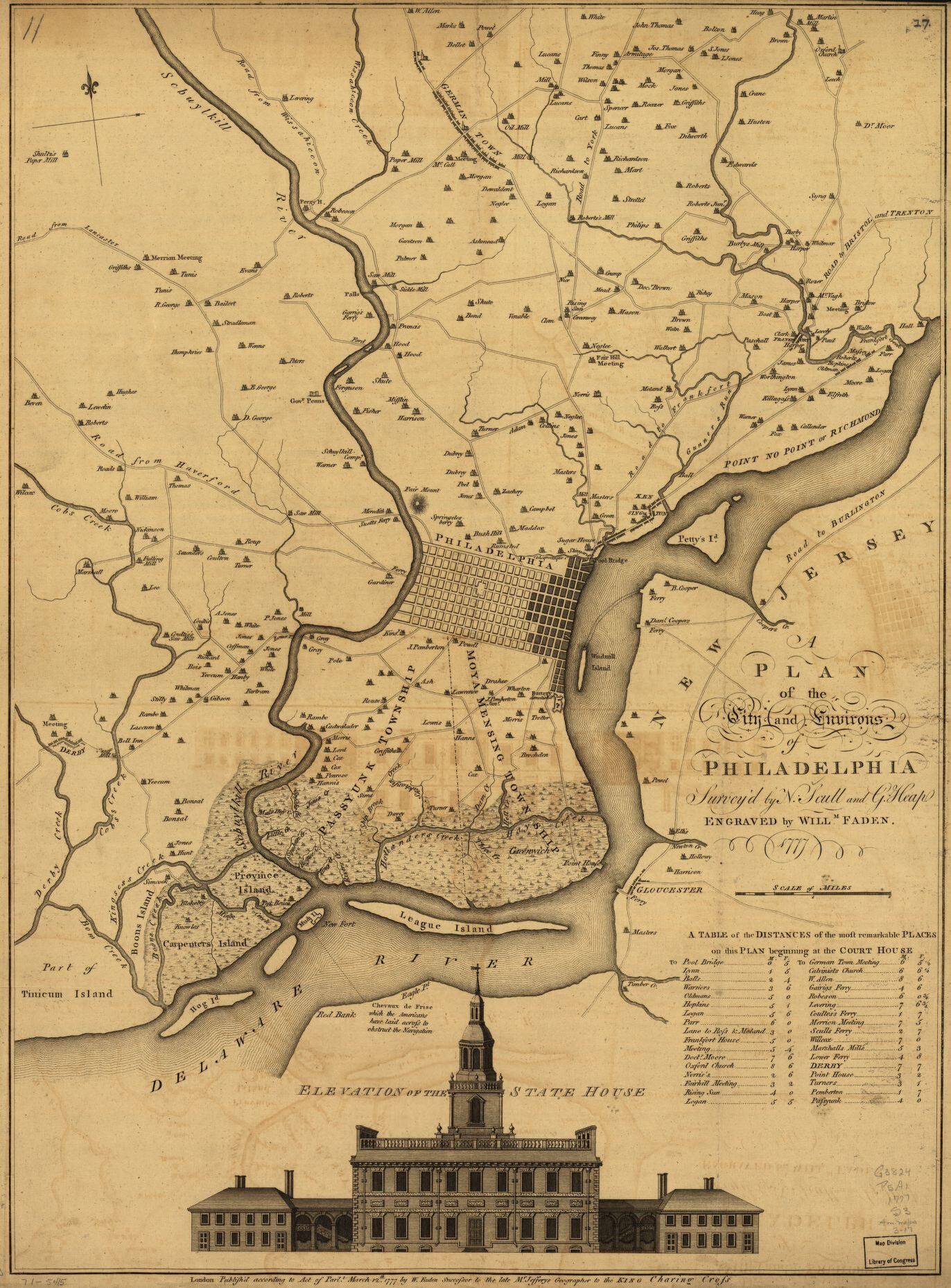
In Carpenters’ Hall in Philadelphia, Pennsylvania between September 5 and October 26, 1774, delegates from twelve of Britain’s thirteen American colonies met to discuss America’s future under growing British aggression. Virginia sent seven representatives, including Washington, Peyton Randolph, and Patrick Henry. The First Continental Congress’s most fateful decision was to call for a Second Continental Congress to meet the following spring.
1775
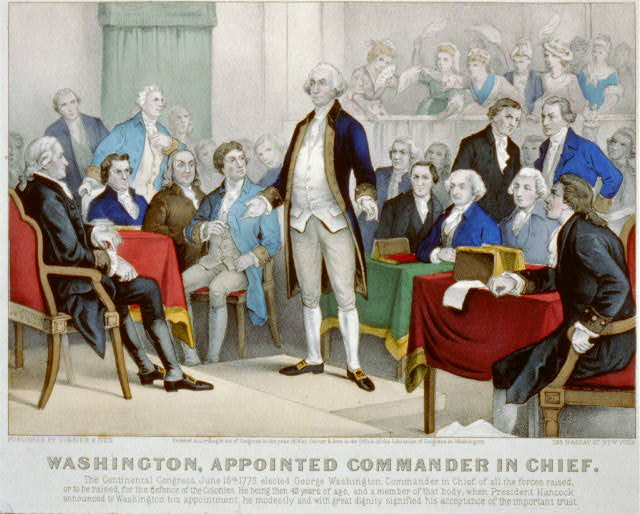
Commander in Chief of the Continental Army
During the Second Continental Congress in Philadelphia, Congress created the Continental Army on June 14, 1775. John Adams then nominated George Washington to serve as the army's Commander-in-Chief. Washington’s strong leadership and determination inspired an army which, after eight long years, defeated the world's premier war machine of its day, winning freedom for the United States of America.
1783
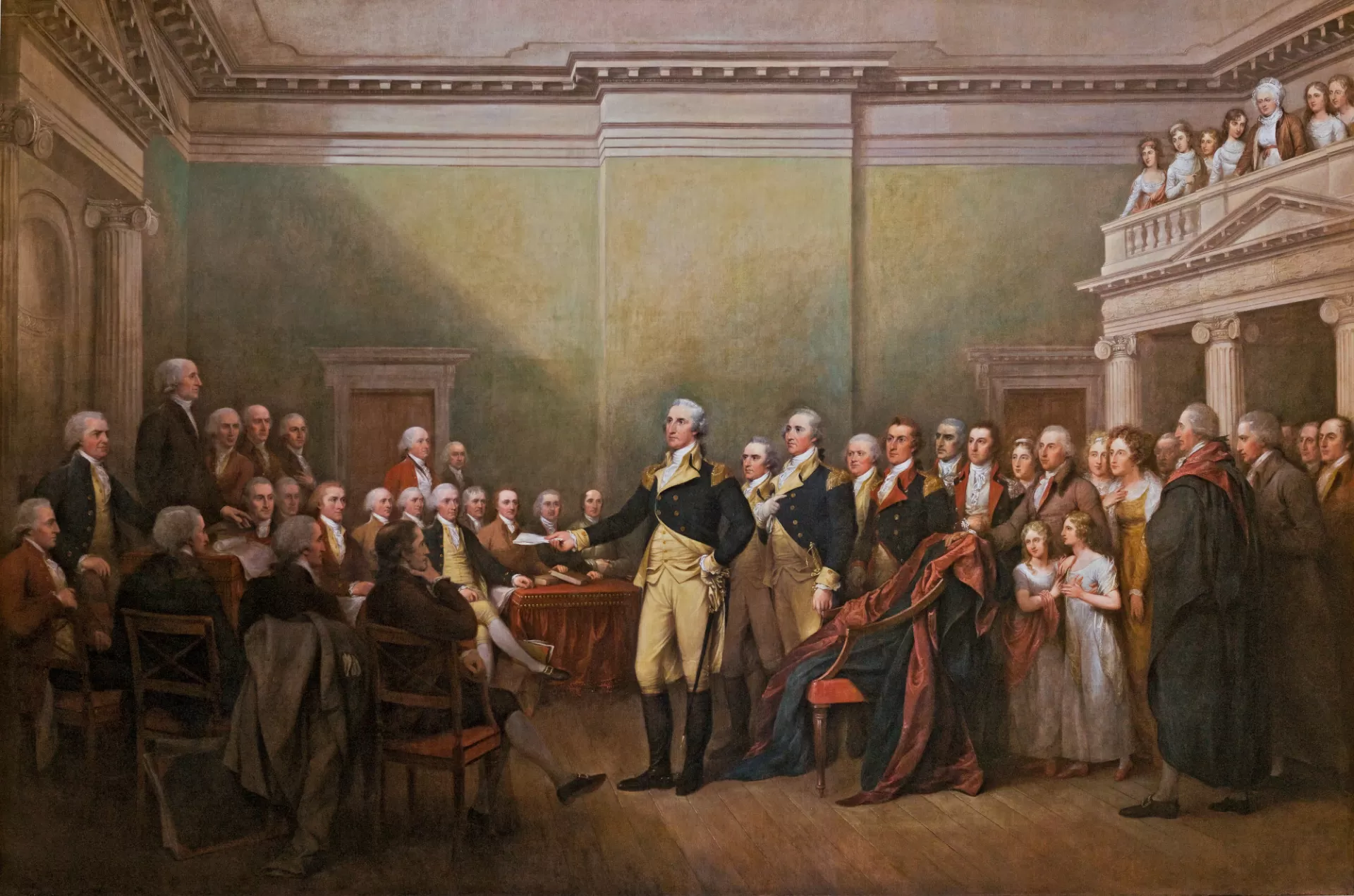
Resignation of Military Commission
On December 23, 1783, George Washington addressed the Continental Congress in Annapolis in order to resign his military commission. This event was a testament to Washington’s republican values, as he willingly surrendered power of the army back to the governmental body that first appointed him.
1785
Mount Vernon Conference
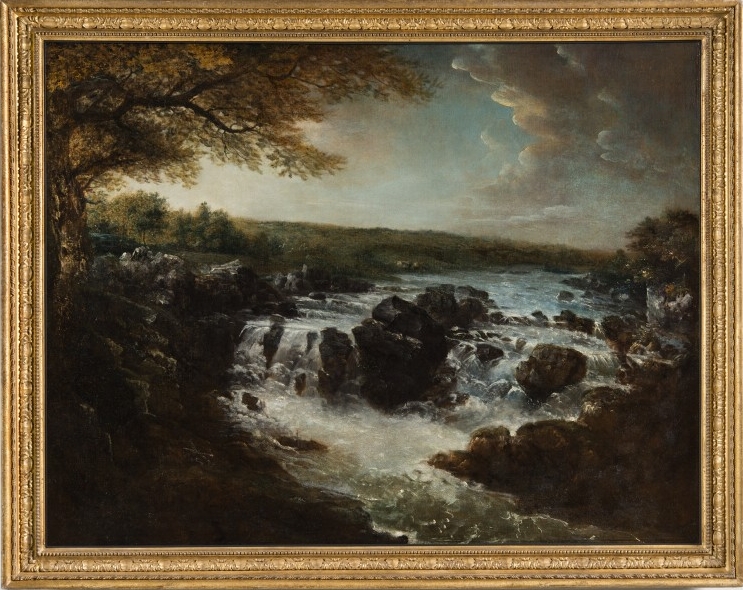
George Washington invited commissioners from Virginia and Maryland to Mount Vernon to discuss navigational rights in the states' common waterways. On March 28, 1785, the group drew up a thirteen-point agreement governing navigational rights on the Potomac and Pocomoke Rivers and the Chesapeake Bay. The Mount Vernon Compact not only covered tidewater navigation but also extended to issues such as toll duties, commerce regulations, fishing rights, and debt collection. Although not an official participant in the conference, Washington with his authoritative knowledge of the issues and active interest in Potomac navigation inspired the delegates and lent considerable prestige to the proceedings.
1787
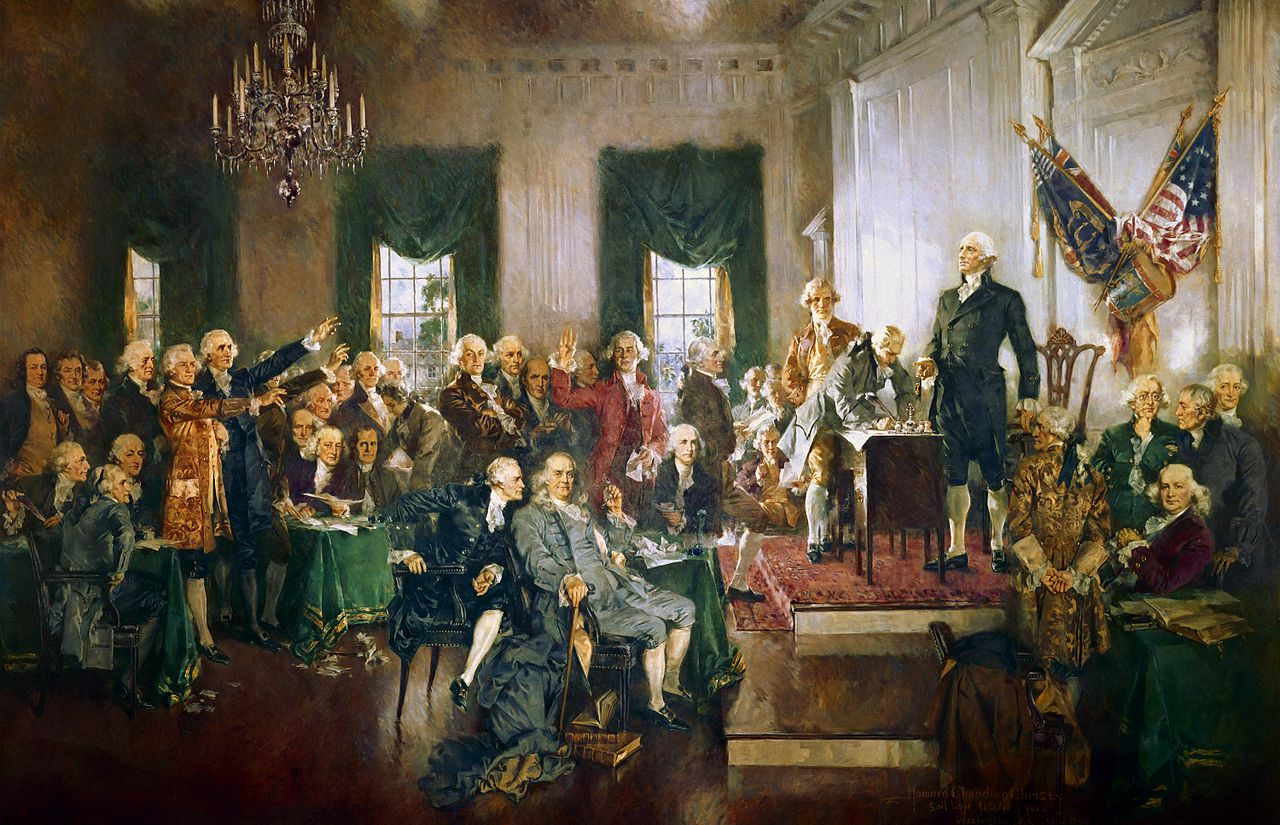
President of the Constitutional Convention
Washington was elected unanimously to be the president of the Constitutional Convention. He created an atmosphere that allowed the members to talk and compromise. This resulted in the creation of a new government.
1789
President of the United States
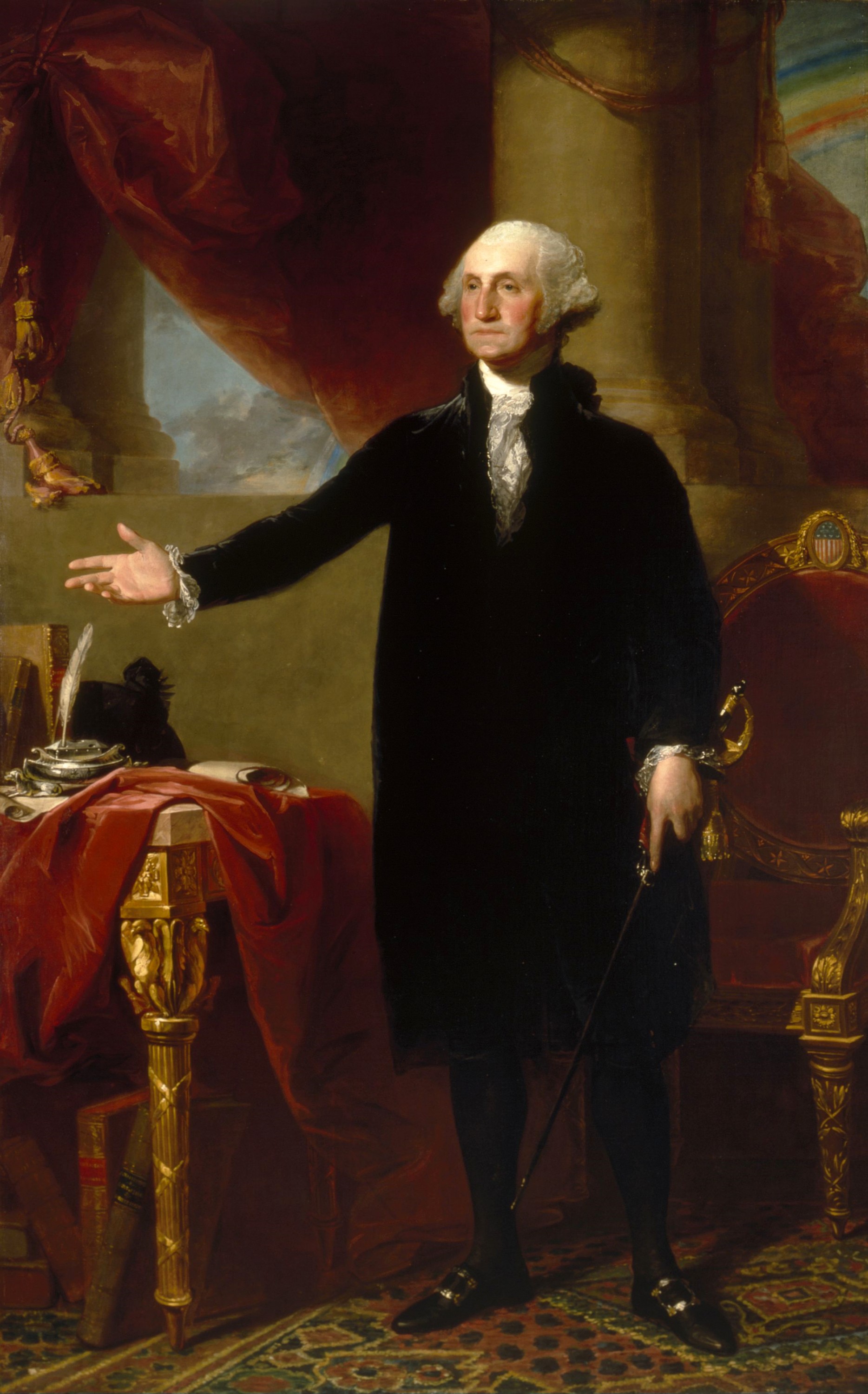
Washington was unanimously elected President of the United States twice. Throughout his two terms, Washington played an essential part in shaping the role and function of the presidency by establishing the first presidential cabinet, Supreme Court, US census, and delivering the first State of the Union address.
1796
Farewell Address
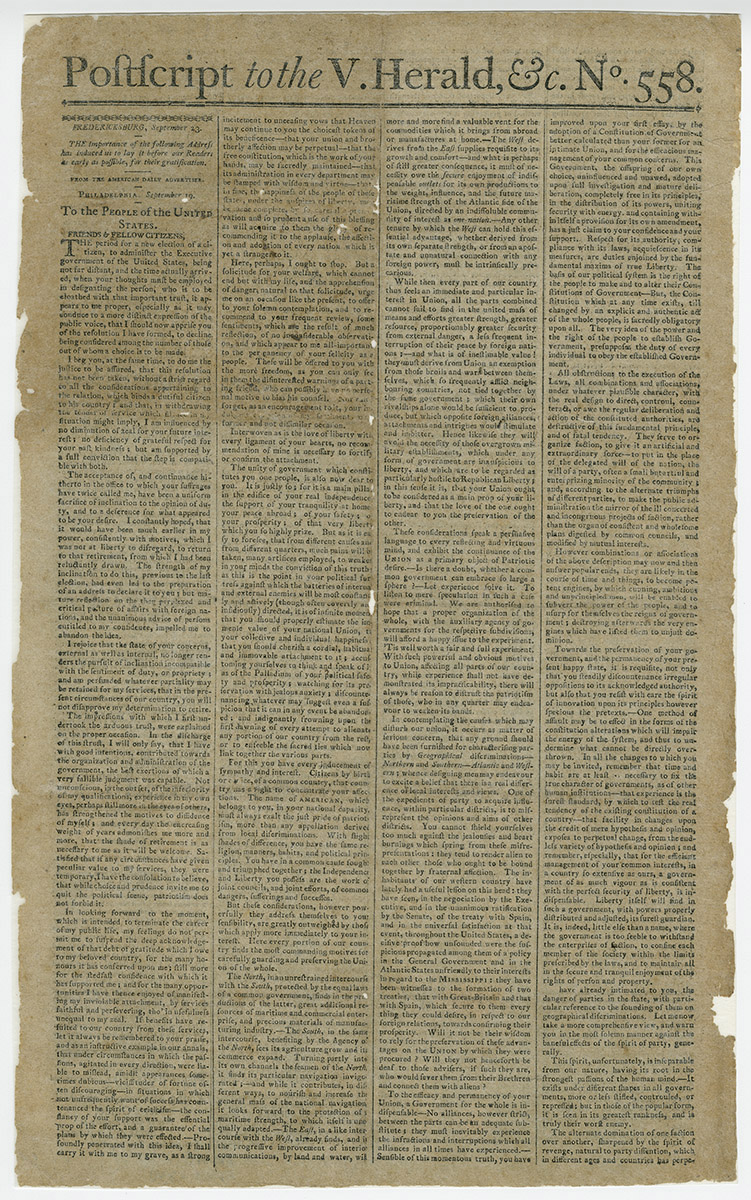
In 1796, as his second term in office drew to a close, President George Washington chose not to seek re-election. He decided to step down from power, providing the standard of a two-term limit that would eventually be enshrined in the Twenty-Second Amendment to the Constitution. In his address, Washington warned against involvement in foreign affairs, political parties, and sectionalism.
1799
Retirement
Washington retired to Mount Vernon with his wife, Martha Washington. His experiments with new crops and farming techniques like a 16-sided barn, flour milling, commercial fishing, and gristmill and distillery reflected his desire to be financially independent. On December 14, 1799, George Washington passed away. In his will, Washington left directions for the emancipation of all the enslaved people that he owned, after the death of Martha Washington.