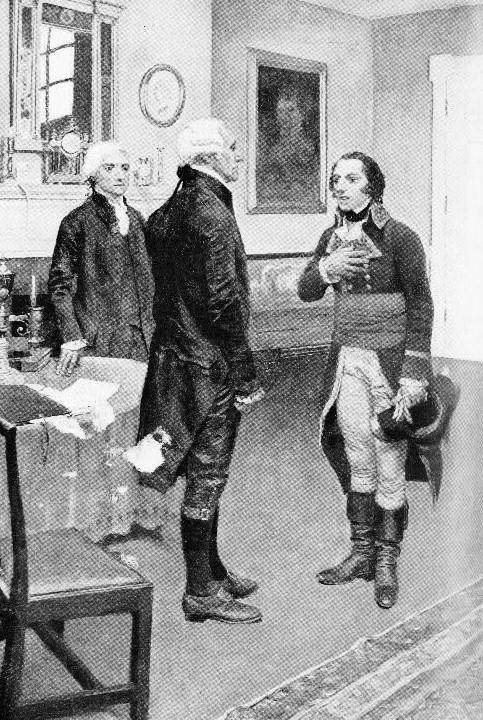
A turning point is an idea, event, decision, or action that directly, or sometimes indirectly, causes change. In researching George Washington's biography you'll find turning points that have immediate repercussions, and those that's impact is clear only in retrospect. His biography also includes turning points where his actions and inactions not only affected himself and his family, but millions of others locally and around the world.
1754
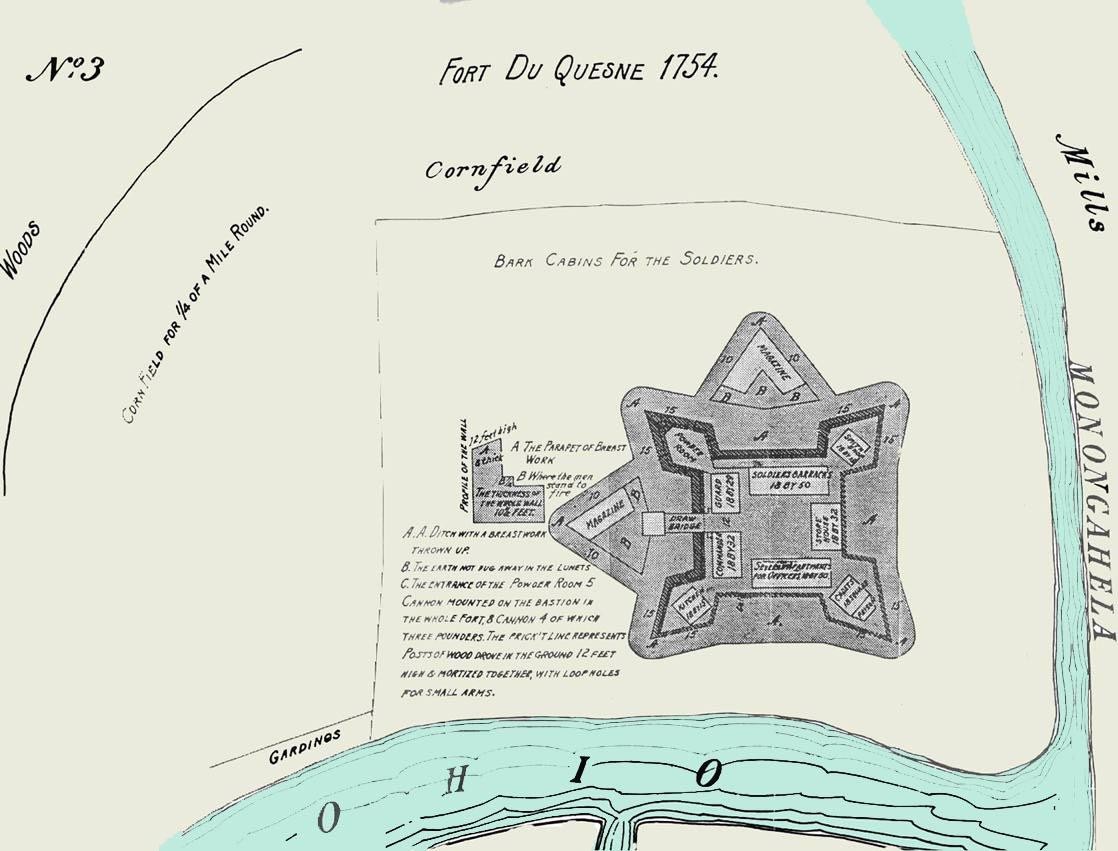
Fort Duquesne
George Washington marched with General Edward Braddock to overtake this French fort in June of 1755 during the French and Indian War. By the end of the expedition, Washington was the only surviving officer.
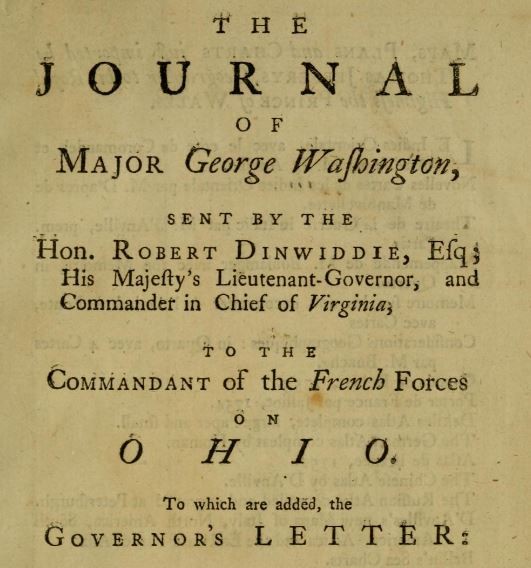
The Journal of Major George Washington
The Journal of Major George Washington is of considerable historical significance. The journal provides a first-hand glimpse of frontier diplomacy, the beginnings of the French and Indian War, as well as early indications of Washington's well-documented physical vigor and leadership.
1775
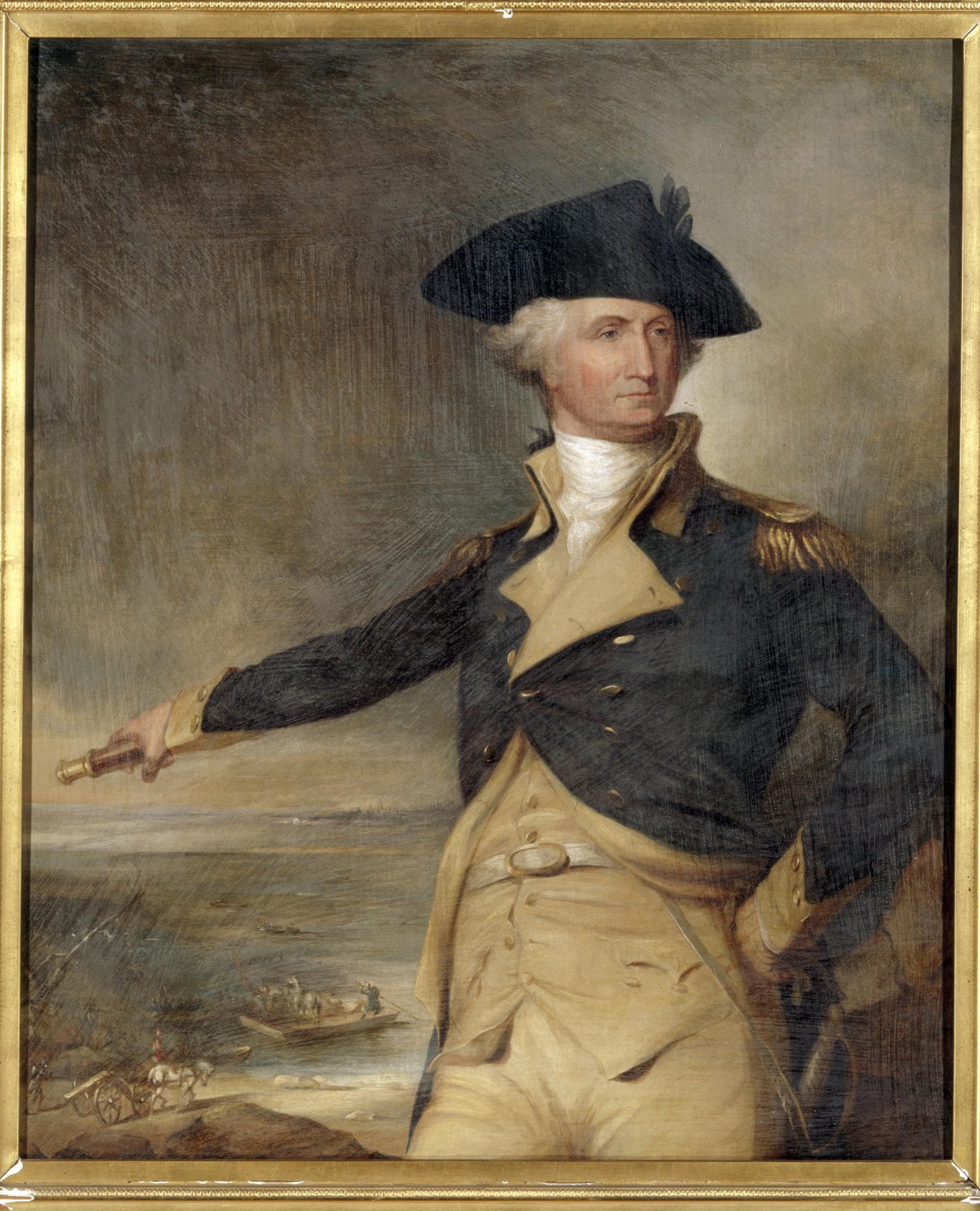
Continental Army Commission
George Washington was officially appointed Commander-in-Chief of the Continental Army by his fellow congressmen during the Second Continental Congress. He attended the meeting in military uniform.
George Washington Tells Martha Washington
In this letter, George Washington tells Martha Washington of his appointment. He voices his fears, hesitations, and thoughts behind the appointment.
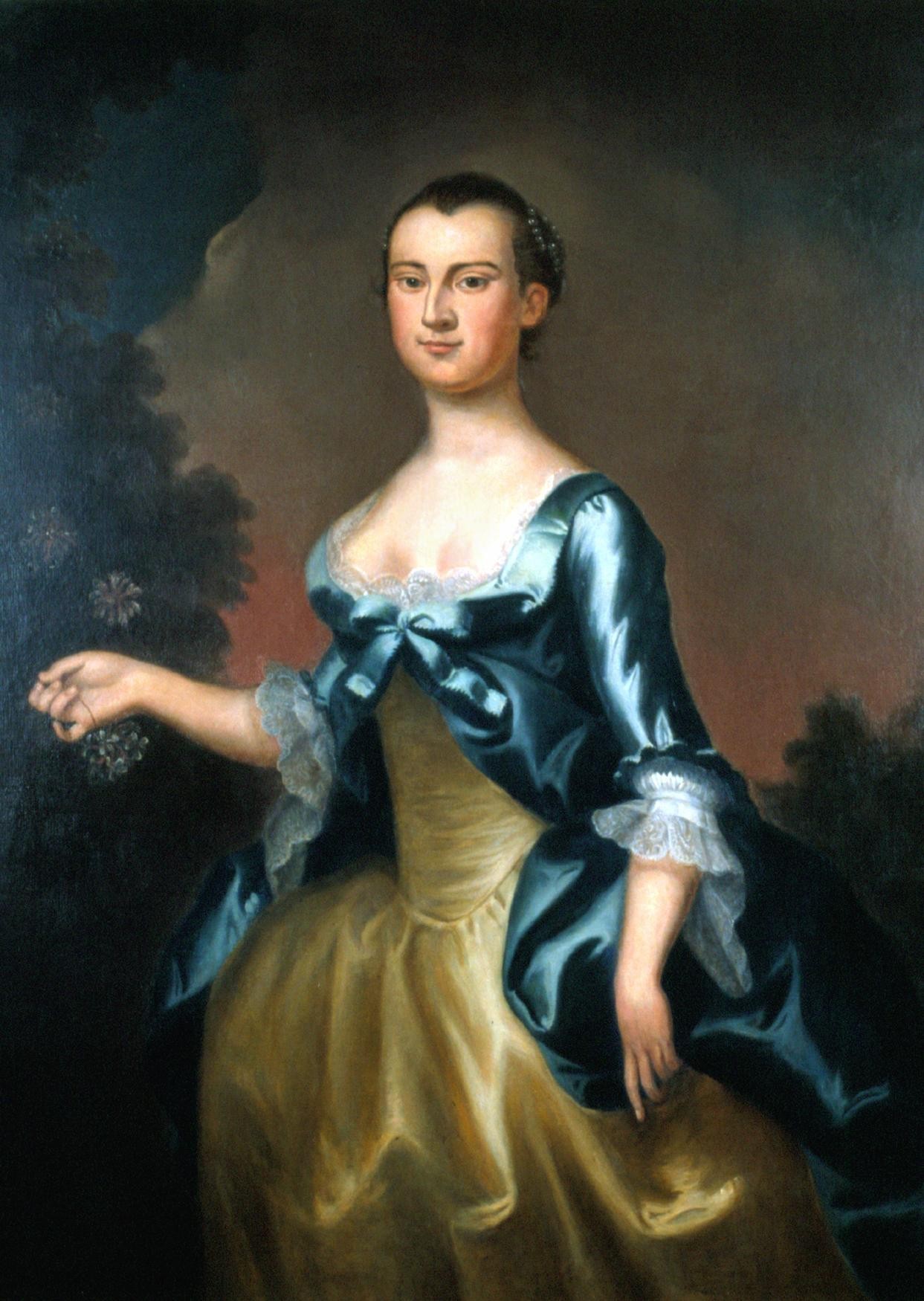
The Battle of Second Trenton
The Battle of Second Trenton was fought in the middle of the winter, and involved risky decisions: Washington could either advance north into New Jersey and fight against the British, retreat to Philadelphia, or stand firm. His decision changed the course of the American Revolution.
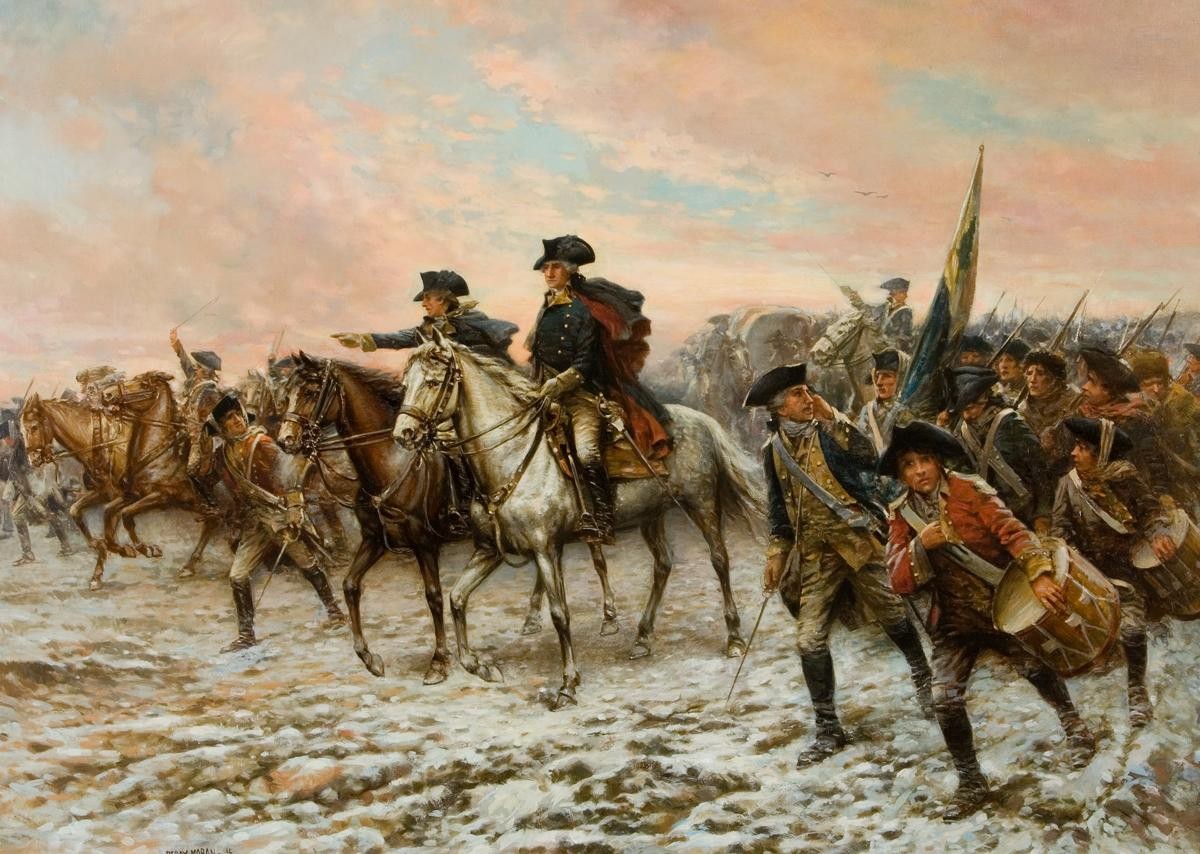
Map of Second Trenton
This is a British map, depicting the battles of Trenton and Princeton. It outlines the places where Washington's forces crossed the Delaware, and lists the number of casualties.
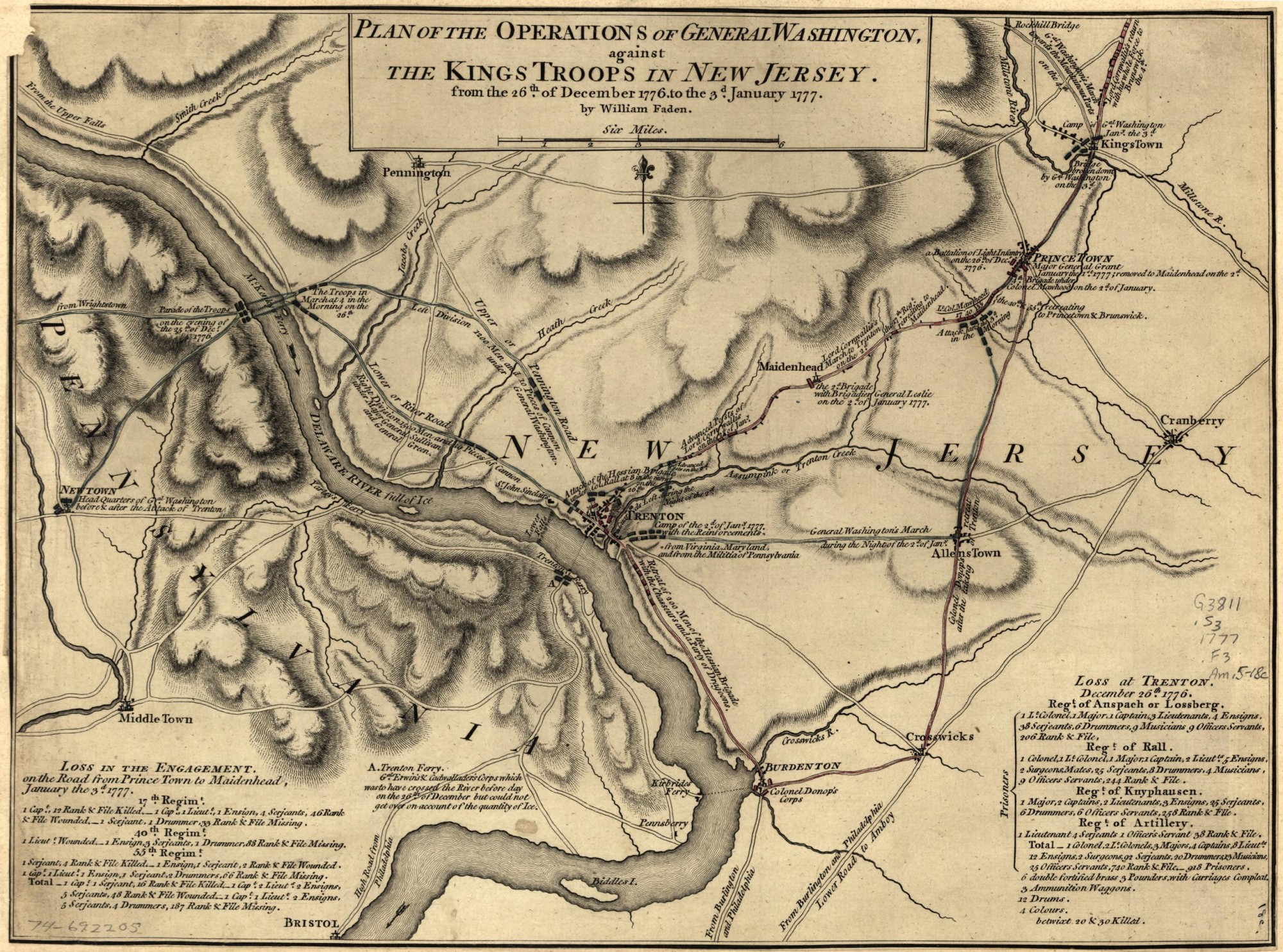
Valley Forge
Winters were especially hard during the American Revolution, and Valley Forge may have been among the worst of them. Washington struggled to support his army of over 11,000 people, lacking in food, supplies, and shelter.
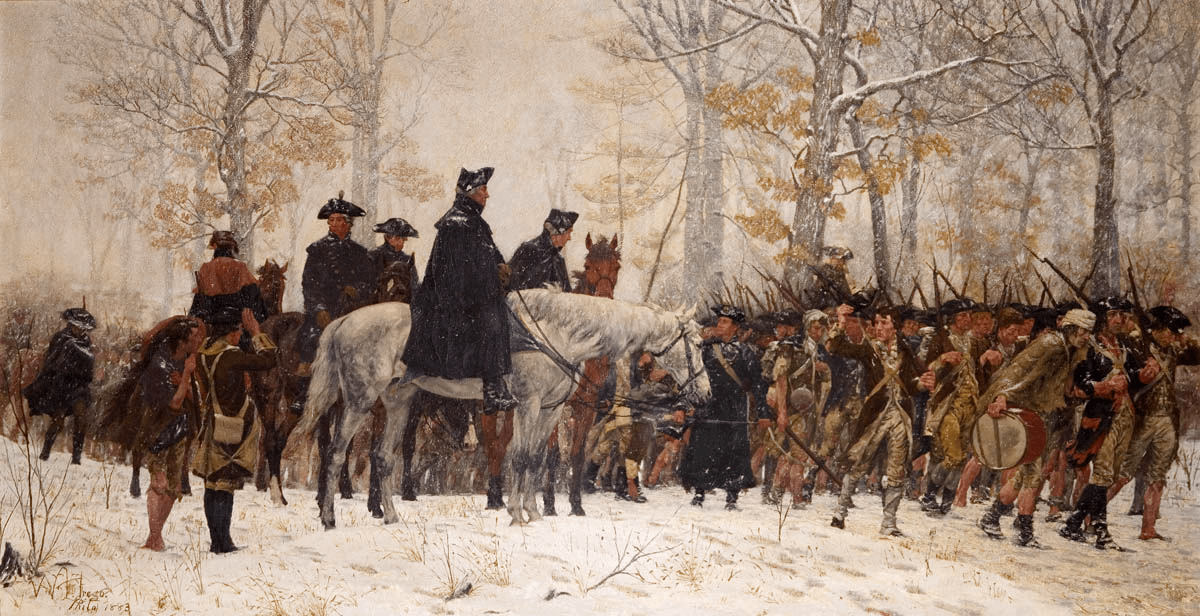
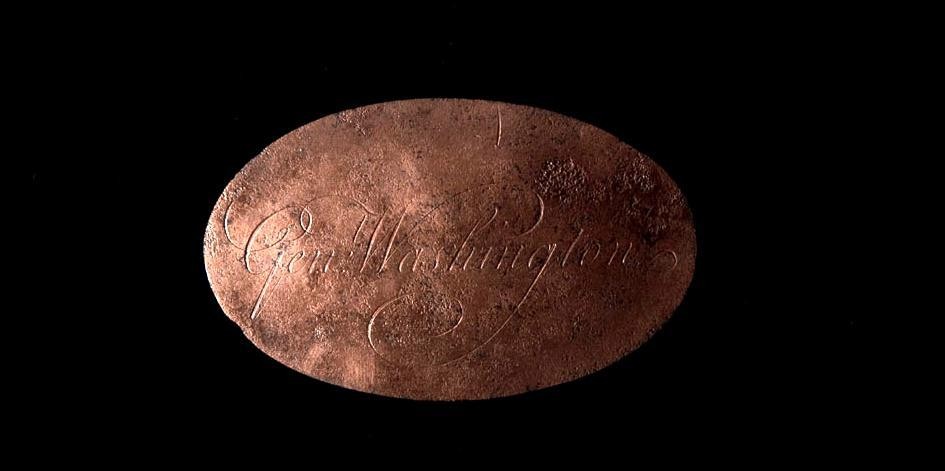
Revolutionary War Trunk Plate
This trunk plate was created in 1776, and used by Washington as he traveled throughout the war. It was found in an archaeological dig at Mount Vernon.
The Newburgh Conspiracy
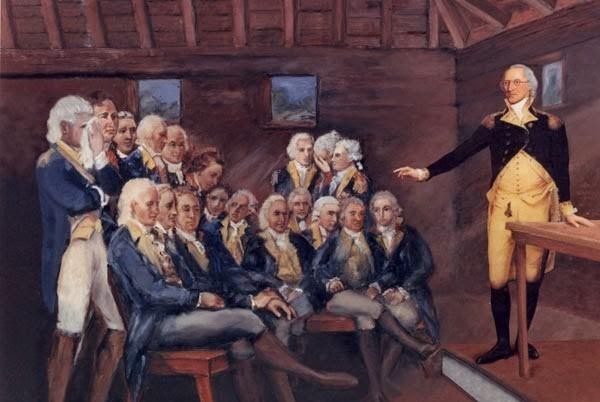
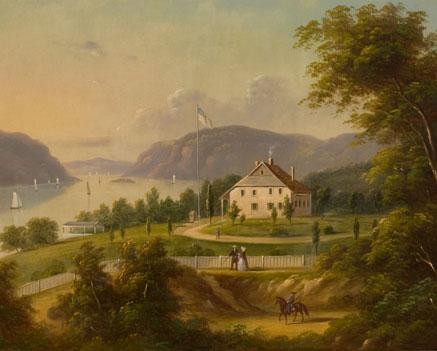
Towards the end of the Revolutionary War, Washington's army was on the verge of mutiny. Without their promised pay, officers were threatening to continue to fight after a peace treaty was signed, or refuse to fight the next time the army was called. Washington needed to act to save the country - and fast.
The Newburgh Address
To solve the Newburgh Conspiracy, George Washington addressed the officers with a nine-page speech that sympathized with their demands, but denounced their methods by which they proposed to achieve them.
1783
Washington Resigns his Commission
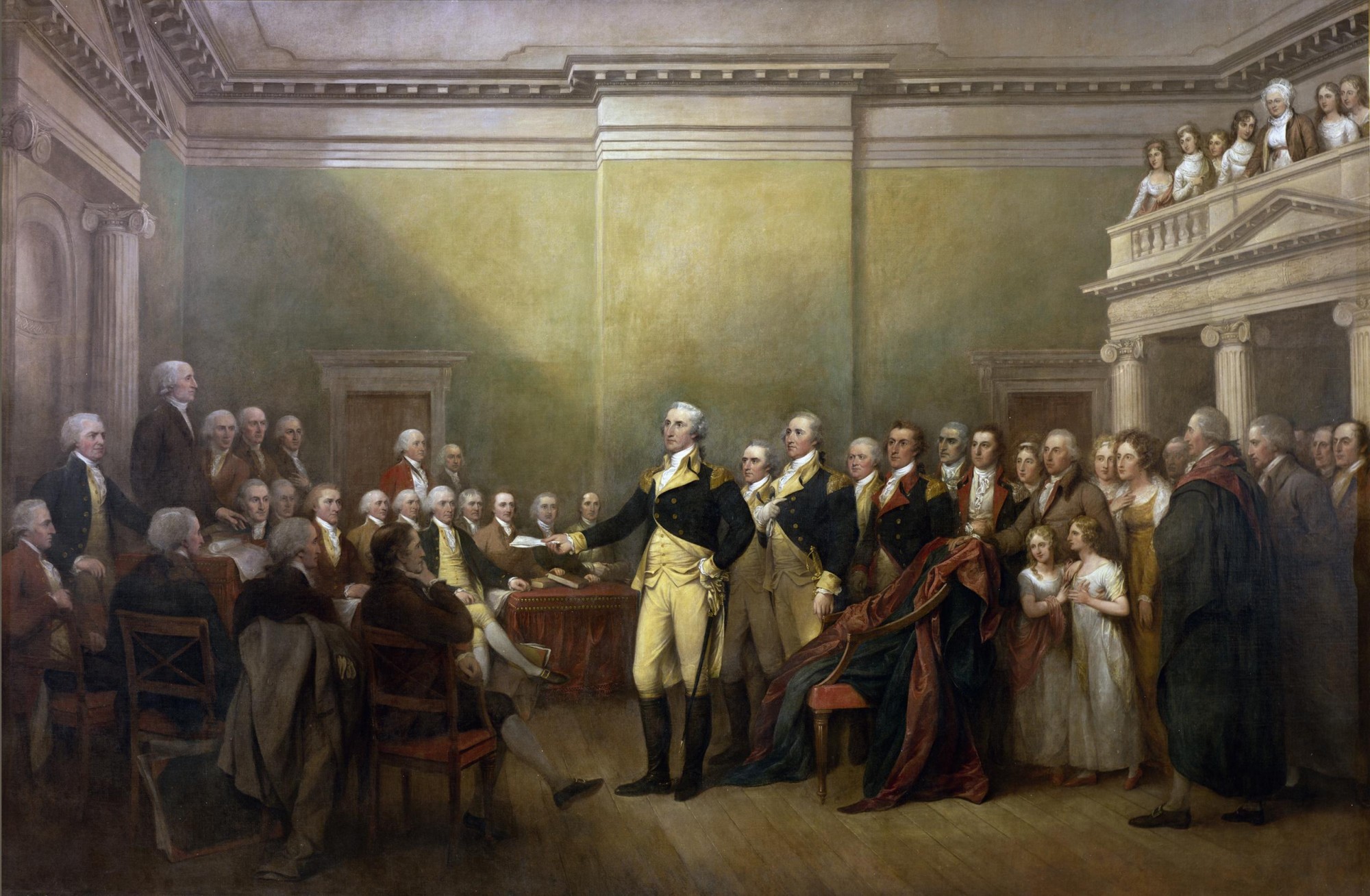
George Washington resigned from his position as Commander in Chief, returning to his home as a private citizen. This was one of the first times that a person of power willingly gave the power of the army back to the government body that appointed them.
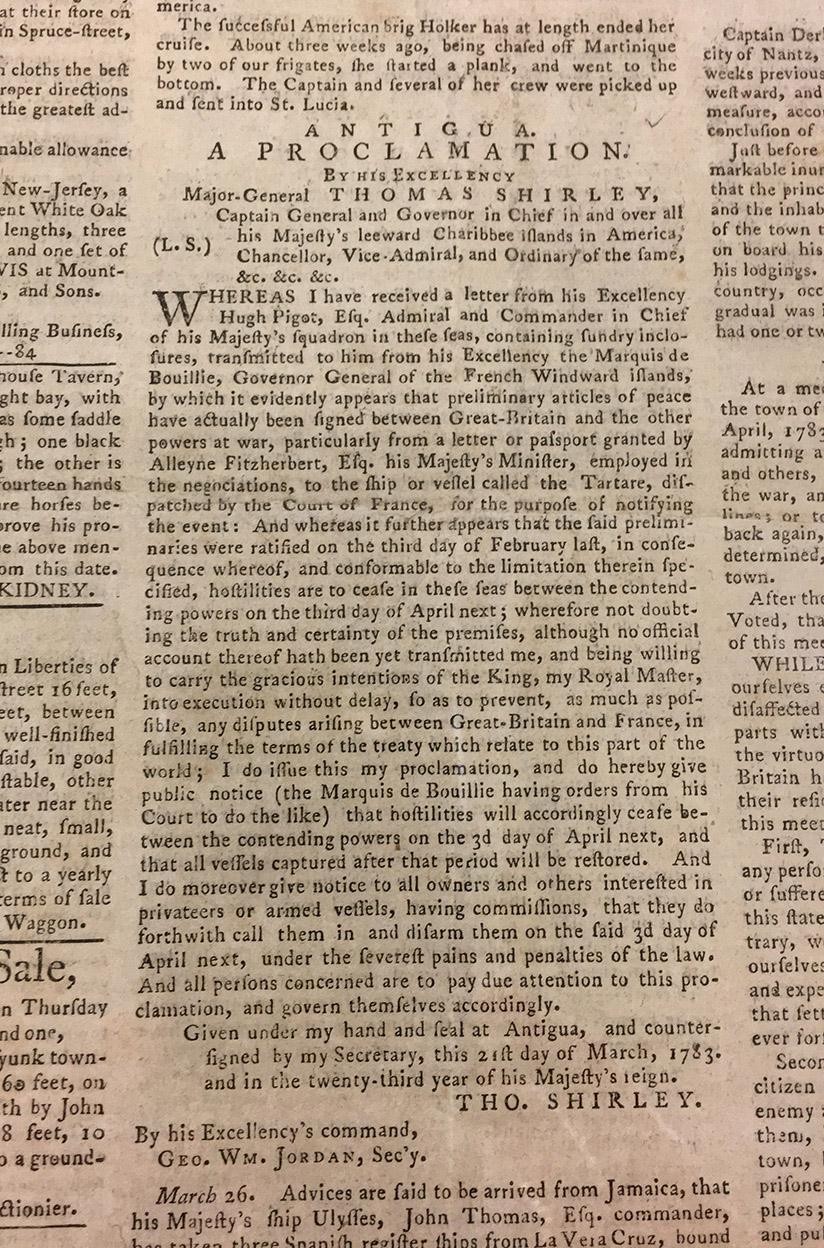
Announcement of Resignation
This newspaper article informs the public of Washington's resignation from the military. It appeared in Philadelphia on April 3rd, 1783.
1790
Religious Freedom
There were many questions about the role of religion in America - would there be a state-sponsored religion? Could people publicly attend different places of worship? Washington decided that the people in the United States would be free to practice their religions, which was an unusual concept in the 18th century.
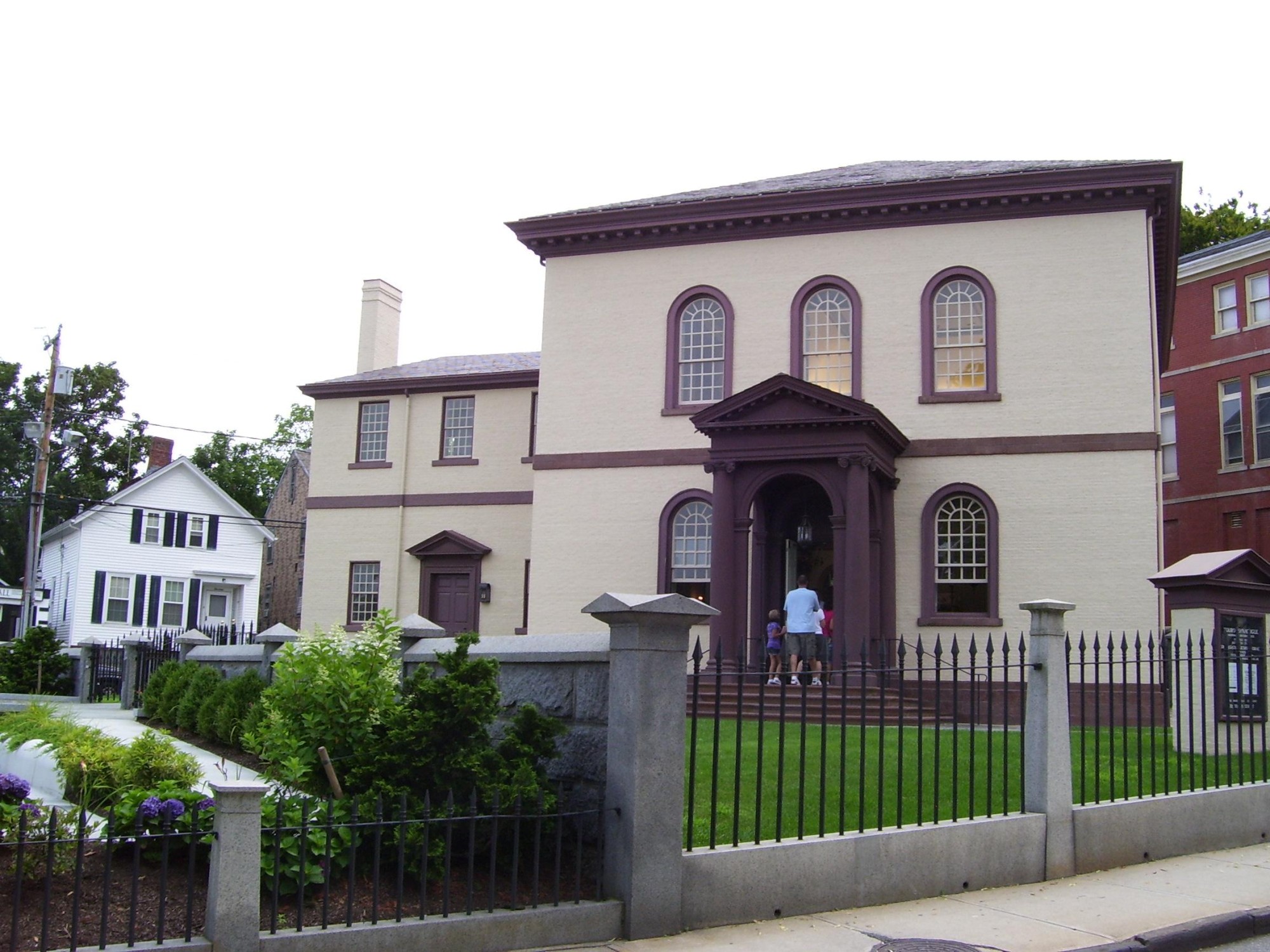
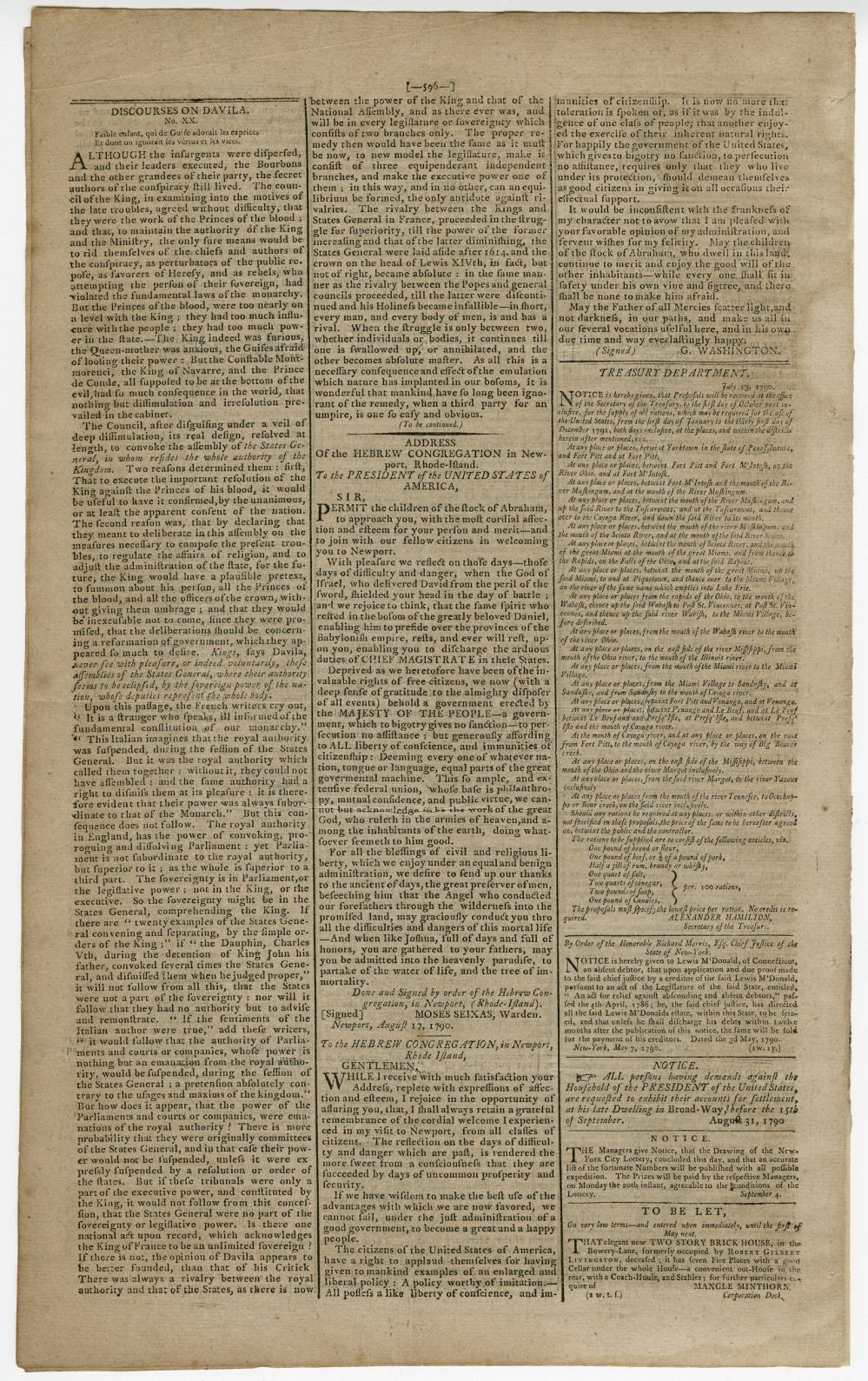
To the Hebrew Congregation in Newport, Rhode Island
As President, Washington reached out to religious groups saying that their beliefs would not be connected to their citizenship status. Religious freedom was a new frontier within self-government in the 18th century.
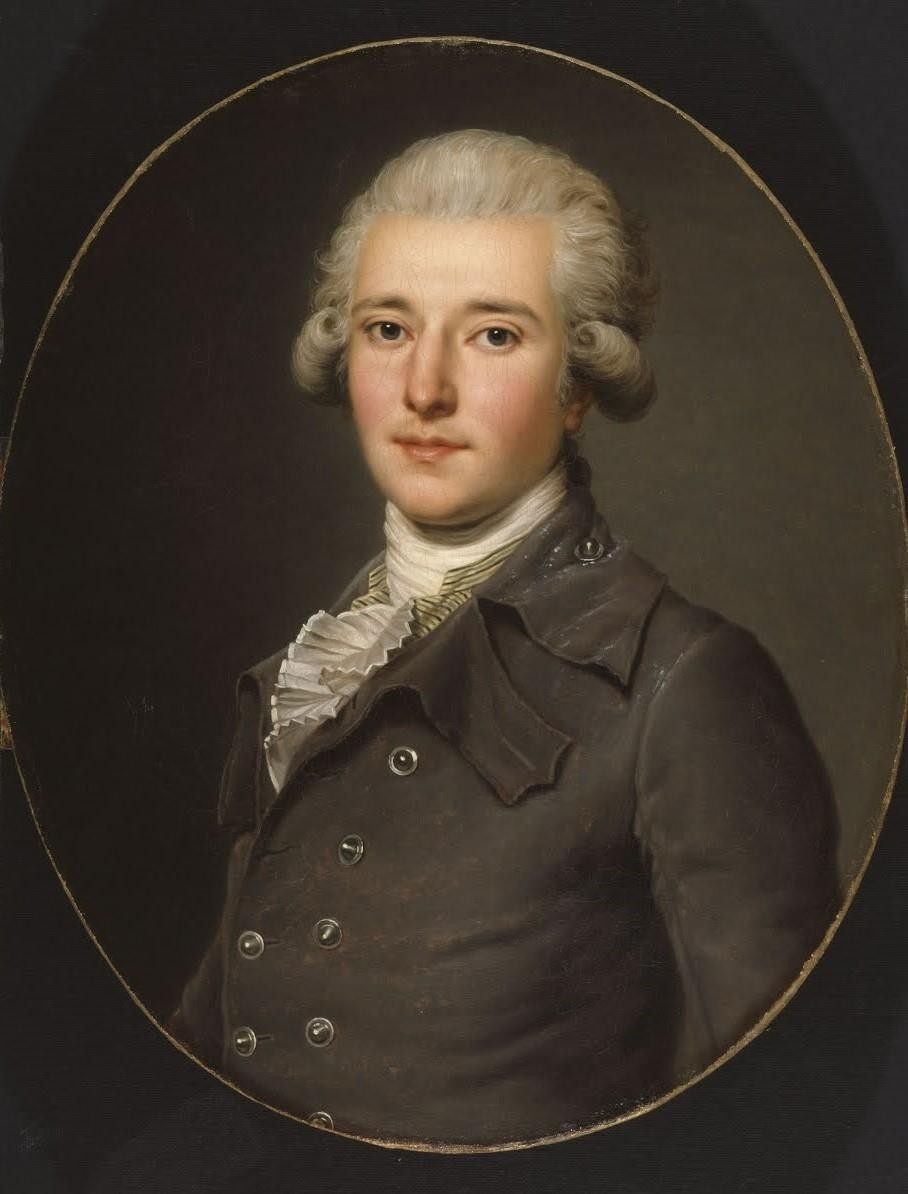
The Genet Affair
France was at war with England, and the French Ambassador (Citizen Genet) encouraged American citizens to fight on behalf of France. While this would support America's closest allies, it would also threaten their unstable relationship with England - as well as Washington's previous declaration of neutrality. What would Washington do?
Statement of Neutrality
Washington reaffirmed his decision of neutrality by issuing this statement seen in newspapers throughout the United States. As a result, the United States narrowly avoided war with Great Britain.